As marketing communications enters its next chapter, the design industry is undergoing a quiet but significant reset. Against the backdrop of AI acceleration, media fragmentation, and audience fatigue, the most compelling design-led brands are shifting away from excess and toward intention, prioritizing trust, human connection, and credibility over scale. In 2026, the preeminent marcomms design trends reflect this return to meaning, from founder-led storytelling and independent journalism to tactile materiality, in-person experiences, and wellness-driven environments. Featuring insights from leading design marketing communications executives and designers themselves, this report explores how brands are building influence through restraint, depth, and thoughtfully crafted moments that feel lived-in, emotionally resonant, and unmistakably human.

Trend: Building Relationships & Trust Through Human Connection

Rebecca Goldberg Brodsky | Co-Founder & Principal, DADA Goldberg
“I believe we’re seeing a quiet cultural shift coming to the PR industry and all of the luxury fields that we touch, design included.”
“We are entering a time where real strategy is needed to stay ahead of business conditions and every moment in a brand’s cultural calendar should be carefully considered for its impact. I think we are due for a resetting of how many occasions are being planned and reducing the headcount at those moments to focus on VIP relations. Brands will need to stay top of mind but they’ll aim to be more influential with more specific people.”
“We see that the decentralization of media continues and business is still moving for the savviest Substackers and creators. We’re seeing a tremendous movement toward video reporting and we are also consulting with brands of all kinds who are embracing this. Yet legacy mainstream and indie print media will always be the gold standard.”
Hamid Ahmadi | Founder, The 847 Collective
“I believe Founder-Led Storytelling will be pivotal in 2026, particularly across visual platforms like Instagram. Even when a founder’s name isn’t on the door, they remain the emotional and cultural anchor of the brand. As design services increasingly command six-figure investments, clients want to see more than a portfolio. They also want to know who they are trusting, how decisions are made, and what values guide their work. Thoughtful, consistent founder visibility builds that confidence, and transforms the brand from a polished façade into a point of view with a human presence behind it.”
Cody Latour | Associate Vice President, UpSpring
“When it comes to trust, product manufacturers are increasingly partnering with well-respected content creators and designers—whether to promote collections or collaborate on designs—to add credibility, reach, and freshness to their brands. The way consumers discover brands has changed dramatically; it’s now driven by algorithms and influence. Shoppers are more likely to engage when they see someone they already relate to using a product and think, if they like it, I will too. Inviting a designer to bring their audience into a curated collection adds familiarity and meaning, creating built-in demand and resulting in stronger, more compelling stories for readers.”
Team Paxson Fay
“Independent journalism is becoming more prominent across all content categories, and design content is no exception. As outlets continue to struggle with flawed business models, journalists—even those still affiliated with legacy titles—are building direct relationships with their audiences and curating coverage outside traditional media cycles. Platforms like Substack have surged in popularity, with many of our favorite writers and editors launching their own newsletters and personal publications to spotlight the projects, pieces, and voices they genuinely care about.”
“For brands, firms, and designers, this shift creates new opportunities to build deeper, more meaningful connections with audiences who implicitly trust independent voices—and, by extension, the work and teams they spotlight.”
Trend: A Return to the Tangible

Veronica Speck | Founder, VHS Ventures
“In 2026, the most resonant marcomms design is defined by discernment and material honesty. As audiences grow more visually fluent and increasingly fatigued by overly polished, algorithmic aesthetics, brands are gravitating toward design that feels grounded, tactile, and real. We’re seeing a renewed emphasis on texture, natural references, and raw materials — elements that evoke place, craft, and human touch — paired with thoughtful editing and intentional restraint. This shift isn’t about minimalism for its own sake, but meaning: design that feels lived-in rather than produced, expressive rather than performative. In an oversaturated landscape, authenticity, materiality, and clarity become powerful signals of trust and longevity.”
Jamie Gasparovic | Founder + Principal Designer, Studio Gaspo
“For 2026, I think a marketing trend people in the design industry need to lean into is long-form content. We're living in a trust recession right now, and 'perfect' portfolio photos and 6-second reels are not going to move the needle anymore. Platforms like YouTube, Substack, and podcasts are perfect places to showcase your thought leadership and personality. Long-form content allows your potential customers to accumulate the time needed in your world for them to feel like they know what you're really about and trust you."
Shari Ajayi | Vice President, Public Relations, Saatva
“In 2026, the most effective design marcomms will move beyond one-off campaigns and operate as connected storytelling systems built on credibility and trust. As AI continues to shape how content is created and distributed, authenticity becomes essential, particularly in protecting and elevating the real stories, craftsmanship, and creative voices that define the interior design community. From earned media to retail environments and experiential moments, the brands that stand out will be those that steward their narratives thoughtfully, ensuring stories feel consistent, human, and true, less overproduced or overpolished.”
Sarah Bresler | Founder, Bresler PR
"Everyone is talking about AI, and brands seem to be adopting various forms of it at a rapid rate. Even for brands that are using AI and continuing to evolve their technology and how they speak to their customers, human touch and experience is still paramount. This especially impacts the design space as consumers, press, and other stakeholders really do want to see products in person, touch, feel and experience the textiles and fabrics and how they interact with one another, and meet the people behind the brands."
"Consumers typically want to see this type of product in person, but will often make repeat purchases online. This truly shows the significance of both brick and mortar as well as having a digital presence. It is not only important to lean into retail locations as a touchpoint and scale at a steady pace, but also continue to adapt digitally to make the customer experience even more thoughtful and accessible."
"Boll & Branch (a client of Bresler PR's) actually balances this seamlessly. They're adopting AI, but are also continuing to grow their experiences for customers. For example, they offer free home installs to customers, where their team will go and completely style the customer's bed. This is also an incredible value-add for media gifting which has been very well-received! The Boll & Branch team often says they're in the hospitality space just as much as the bedding space, which shows given how they invest in their customer experience."
Lauren Urband | Founder & President, The Consultancy PR
“We’re seeing a continued shift toward slow design and lived-in luxury. In 2026, the most desirable spaces feel considered, personal and deeply comfortable. It’s less about perfection and more about creating environments that genuinely feel like home, with natural materials like stone and wood, layered textures that invite you to settle in, and sustainable choices that hold real meaning.”
“Consumers are increasingly drawn to pieces that tell a story, prioritizing longevity, artisanal craftsmanship and thoughtful collecting over trend-driven design. We expect to see an ongoing appreciation for traditional forms, refined millwork and timeless silhouettes - design choices that feel enduring and emotionally resonant, reflecting not just how people live, but who they are.”
Trend: An Emphasis on In-Person Experiences
Erik Perez | Principal, Hello PR Group
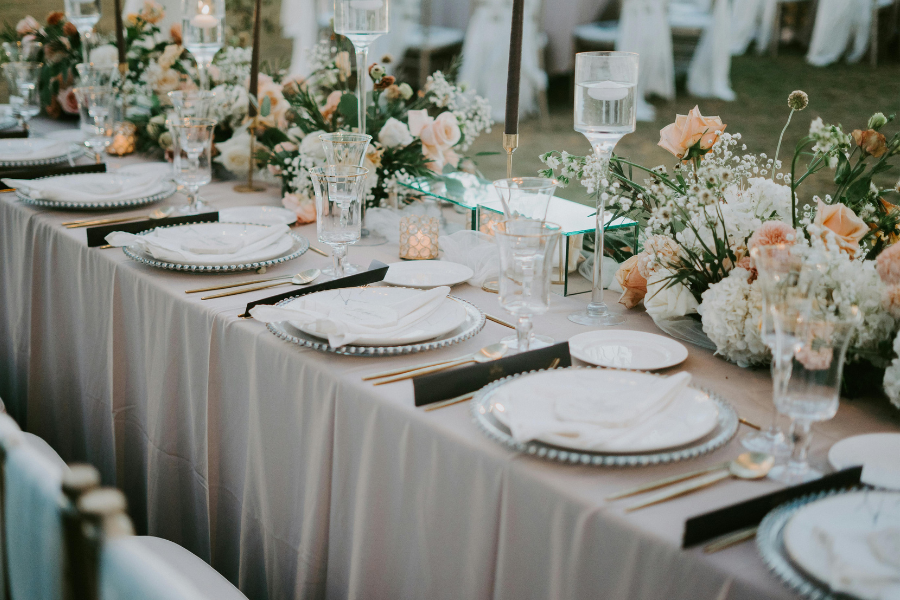
“In 2026, an effective marcomms strategy in the design industry will be more personalized and intentional. A renewed focus will also be on high-touch experiences that are thoughtful and aspirational. The days of the standard press preview are giving way to moments that foster real connection, whether through intimate gatherings, meaningful collaborations, or beautifully orchestrated encounters that linger long after the event ends. When done well, these experiences do not need to shout. They signal taste, confidence, and discernment, and that is what ultimately builds lasting relationships and real brand equity.”
Molly Schoneveld | President, The Storied Group
“Having an ‘in real life’ experience has become increasingly important for brands across the board, and the design industry is no exception. In 2026, the designers who stand out will be the ones creating tangible, immersive ways for people to experience their brand through pop-ups, open studio spaces, show houses, or intimate events that make their work come to life. A great example of this last fall was the Urban Electric window installations they did in NYC in partnership with Robert Rufino. Such a smart, collaborative way to partner with other design brands the created a cultural moment worth talking about.”
Andrea Anders | Founder & Principal, Andrea Anders Inc.
"Design today is about more than just looks. It’s about creating spaces that offer real experiences and connect people, places, and purpose. One great example is Toronto’s Adventure Alley, a nature-inspired indoor playground that shows how to build a meaningful space for families.”
“Bright plastics and overwhelming play areas are a thing of the past. Now, purpose-led spaces are made to encourage connection, exploration, and community wellbeing. At Adventure Alley, everything from Scandinavian-style materials to multi-sensory play zones is chosen to support children’s growth. Kids can explore hands-on activities that spark curiosity, while parents and caregivers relax in a lounge with Wi-Fi and refreshments, able to work, unwind, or connect with others while keeping an eye on their children.”
“Adventure Alley’s mission goes even further. Its Play with Purpose philosophy embeds social impact into its business model, with a portion of adult admissions and event bookings supporting local charities, transforming everyday family outings into acts of community support.”
“This combination of thoughtful design, community focus, and giving back signals a broader shift in how brands and spaces see value. It’s not just about transactions anymore, but about creating shared meaning and making a positive impact."
Trend: The Convergence of Design and Wellness
Cara Chapman, Co-Founder, Bacchus USA
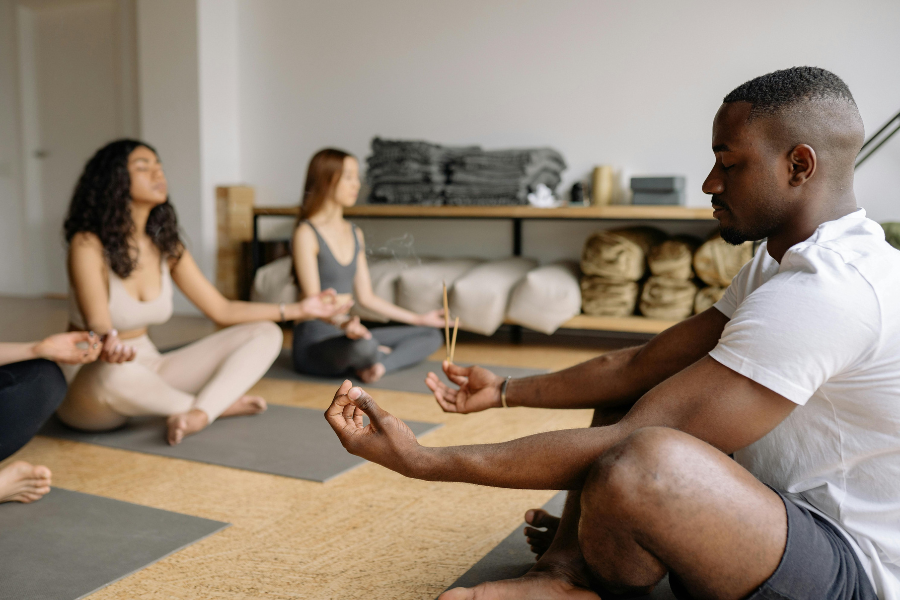
“As global wellness tourism approaches a projected $1.4 trillion by 2027, wellbeing has shifted from a luxury add-on to a core expectation. For designers like Champalimaud Design, wellness now serves as a guiding framework, as seen in their latest project at Belden House & Mews, the Bathhouse. Calming colour palettes, warm natural finishes, and tactile environments merge to create a restorative oasis, signalling a design approach poised to shape the industry this year.”
Tiffany Young | Founder, Digital Thread Consulting
"We believe the convergence of design and wellness in brand storytelling will be a defining marcomms trend in 2026, as audiences increasingly seek experiences that engage both their senses and emotions. Luxury brands are moving beyond traditional campaigns to craft immersive environments that tell a story, foster connection, and promote well-being. This shift reflects evolving consumer expectations, where artistry, materiality, and restoration intersect to create moments that are both meaningful and transformative.”
“Our Atelier+Spa activation during Paris Design Week 2026 exemplified this approach, blending design and wellness to create a serene retreat for the global design community. By curating a space that celebrated handmade artistry and offered moments of rejuvenation with complimentary spa treatments, it demonstrated how brands can leverage experiential storytelling to forge deeper connections with their audiences. As this trend continues to grow, we anticipate more brands embracing the intersection of design and well-being for lasting and meaningful impressions."
Trend: The Impact of AI

Kelly Downey | Senior Vice President, Shamin Abas
“In a world where AI has become ubiquitous to our work, it can be a huge time-saver or a credibility killer in a matter of seconds. The difference comes down to knowing when to use it and when to step in yourself. Editors are no strangers to receiving pitches from PR teams utilizing this technology to the fullest, but there’s danger in every pitch starting to sound the same by leaning into words that AI deems “luxury” or trending in the world of design. The fact is: at that point, the pitch doesn’t sound like it’s coming from a living, breathing human being - and, in turn, certainly won’t resonate with one.”
“Public relations is, at its core, relational. Use AI strategically to brainstorm ideas, simplify administrative tasks, or check grammar, but don’t lose the human details that signal deeper care and knowledge. AI can’t replace having a coffee with an editor, a zoom call where ideas are exchanged, or real, genuine storytelling. In a relationship-driven business, efficiency without authenticity is just noise.”
Mary Jo Fasan | Founder & CEO, Jo Communications
“As communicators inspired by the power of design, we see AI playing a supportive role in the design industry as we move into 2026. At Jo Communications, we’re using AI to create efficiencies that give us more time for the work that truly matters: strategy, storytelling, and creative ideation rooted in human experience and expression. Design is inherently emotional, nuanced, and deeply connected to how we live, and those qualities can’t be automated. When used thoughtfully, AI allows us to focus more fully on elevating designers’ stories with clarity, intention, and purpose.”
Byron Cordero | Founder, Cordero Consulting
“The brands we represent are becoming their own source. PR is about narrative ownership, not traffic. This one took me a while to wrap my head around. We had a D2C freaking out because their site visits were flat, even though brand awareness was through the roof. Turns out, people were getting their answers directly from AI—answers that reflected our messaging, our data, our executive’s POV—without ever clicking through.”
“If we’re shaping what people believe about the space, we’re reputation engineering, even if Google Analytics doesn’t show it.”
“You need to be everywhere the AI is looking. The LLMs aren’t just scraping the first page of Google anymore. I’ve seen obscure trade pub quotes, LinkedIn posts from our execs, even structured data from our own site all get pulled into AI responses. It’s taught me that consistency across channels isn’t just good practice—it’s survival. If your insights live in multiple credible places, you become unavoidable. And that’s the game now. Fire up the company blog again?”
Trend: Utilizing Assets to Their Fullest Potential
Alison Leigh Lewis | Founder & CEO, Alison Leigh Lewis Public Relations
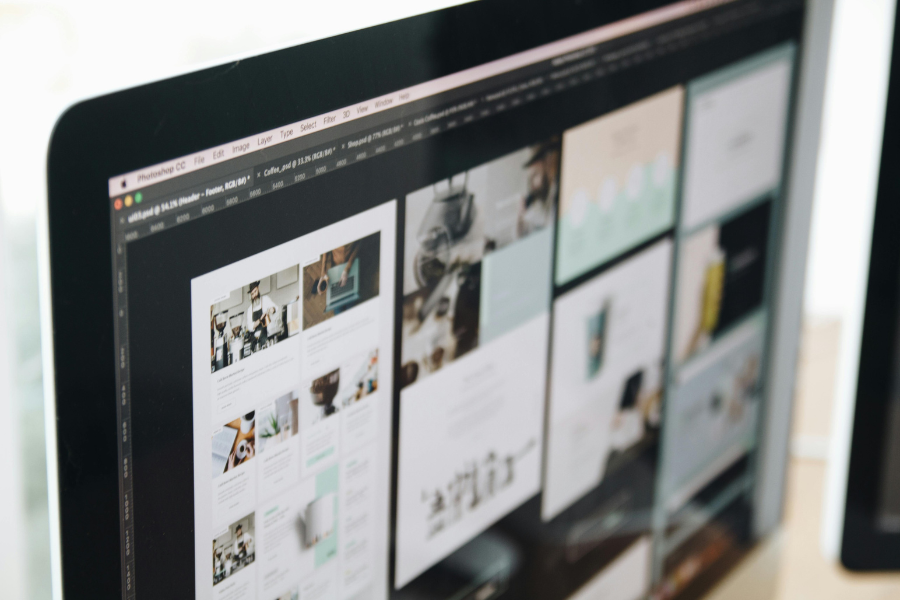
“In 2026, the most important marcomms trend for interior designers is a shift from simply creating content to being more intentional about how that content is shared and sustained. Designers already produce an extraordinary amount of visual material — from finished project photography and detail shots to vignettes and lifestyle imagery — yet much of it remains underutilized.”
“The designers who stand out are those who treat their visuals as a cohesive system rather than a collection of individual assets. This means commissioning photography with editorial use in mind, organizing imagery thoughtfully, and ensuring it can be repurposed across press pitches, publications, social media, and brand materials.”
“For interior designers, this approach doesn’t require more content — it requires smarter structure. Thoughtfully designed visual systems extend the life of each project, support a consistent brand presence, and allow the work to move more naturally across media platforms. From a publicity standpoint, this level of clarity and intention often determines how widely — and how often — a designer’s work is featured.