As definitions of luxury continue to shift, value is increasingly being measured not by visibility or volume, but by meaning, experience, and emotional resonance. In The Value of Luxury, Fox Communications examines how high-net-worth consumers are becoming more selective, prioritising experiences and deeper brand connection over product alone. The findings signal a broader recalibration of what luxury represents today, and what brands must deliver to remain relevant.
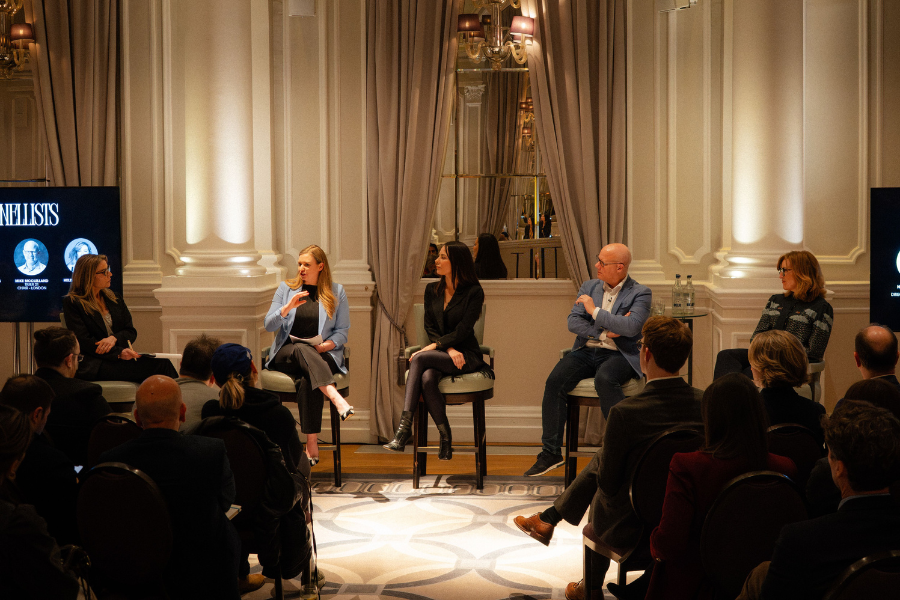
This month at Fox Communications, we unveiled new research exploring ‘The Value of Luxury’, in partnership with Agility Research & Strategy. Put simply, the data showed that HNW consumers are still spending but are becoming far more selective about what feels worth it. As prices rise, consumers are looking for more in return – and increasingly, they are finding it in experiences rather than products. This has implications for how we approach luxury communications: if value is being redefined, the way we position and build brands needs to evolve with it.
Visibility alone no longer signals value
For a long time, visibility was seen as a sign of desirability and the more a brand was seen, the more it was assumed to be wanted. However, in today’s market, luxury consumers are more informed and discerning than ever, increasingly unwilling to accept value on reputation alone. As the research indicates, over-distribution and increased visibility remain among the most damaging factors in eroding brand perception among HNW consumers. Constant collaborations and a push for scale can make a brand feel less considered - what once looked like success can now feel like overexposure. For PR teams, it’s not just about making a brand more visible, but about making sure it appears in the right places, in the right way.
What people value is changing
One of the clearest takeaways from the research is that the product is no longer doing all of the work. Among the UK’s ultra-high-net-worth, experiences, particularly travel and wellness, are playing a much bigger role in how people define value, with 70% of HNW consumers identifying luxury travel and experiences as a key spending priority over the next three to five years, and almost eight in ten actively planning leisure travel. What is driving this shift is not just behaviour, but emotion. People are placing more importance on experiences because of how they make them feel. A product can be admired, and in some cases replaced, but a great experience, and the memories it creates, stays with you. For brands, this changes how value is created – it’s no longer just about what you make, but how you make people feel.
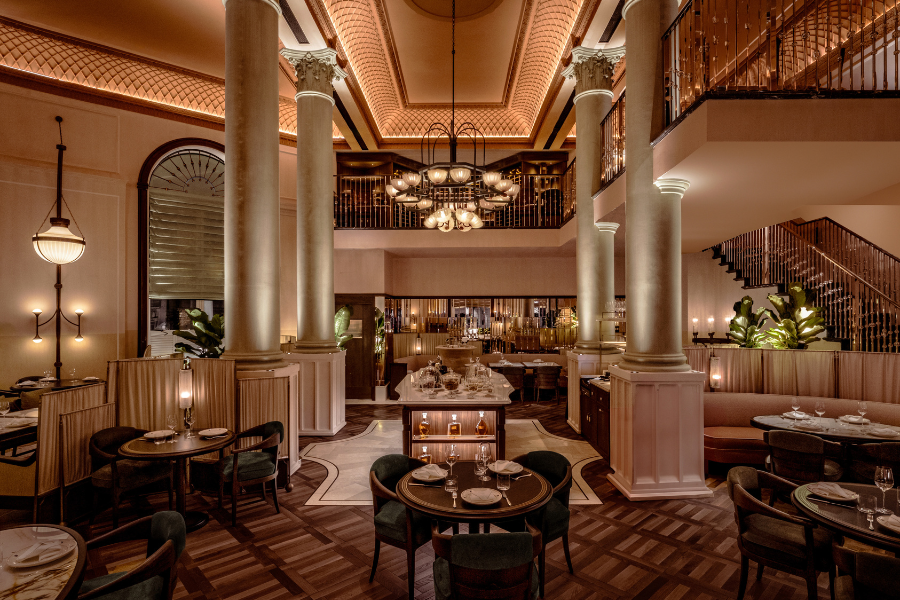
Mezzogiorno, Corintha London
Emotional connection is driving loyalty
The research points to four main reasons why people choose one brand over another: quality, scarcity, heritage, and how the brand makes them feel. The first three are now expected, and what is increasingly driving loyalty is the fourth.
This is reflected in how loyalty itself is evolving, with personal brand connection rising from 49% to 57% among UK HNW consumers, and status-driven engagement increasing from 32% to 51%. Much of this shift is being led by travel and hospitality, where expectations around service and personalisation have been reset. Being understood without needing to ask is no longer exceptional, it is expected - and that expectation is now being applied across all luxury categories. Brands are no longer judged solely on what they produce, but on the entire experience around it. Those that fail to meet this standard risk weakening their value, regardless of the quality of the product.
The industry is focused on newness. The consumer is focused on meaning
There is a growing gap between how brands are communicating and what consumers are looking for. The industry remains focused on newness - new collections, collaborations, constant launches - but consumers are placing more value on meaning and longevity. We’re seeing this in the rise of pre-owned luxury, which many high-net-worth consumers now value highly (with 44% of Millennials rating pre-owned pieces as extremely important, for example). It is less about trend and more about finding something with character and staying power. In this sense, luxury is becoming less about what is new and more about what endures. The idea of passing something on, whether an object or an experience, is becoming part of how value is defined.
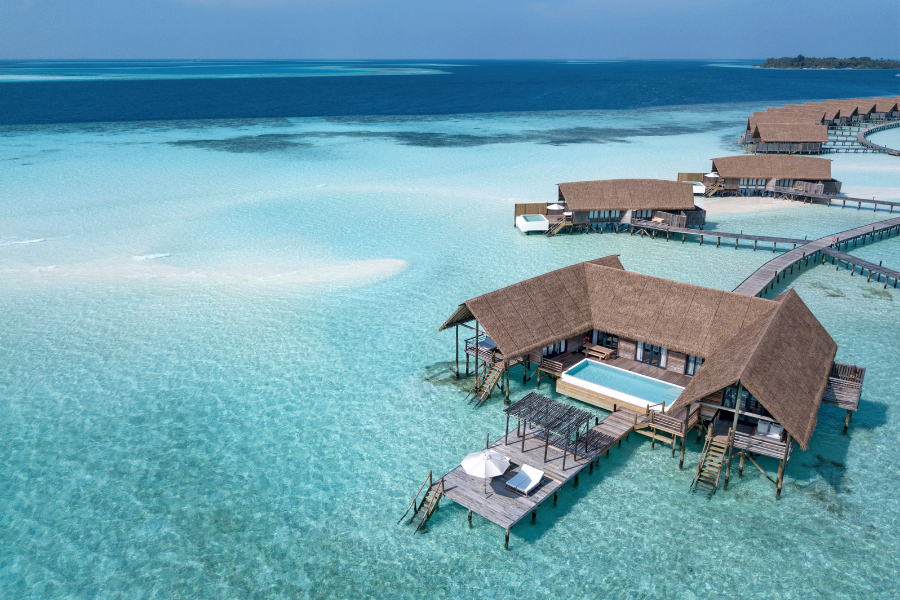
COMO Cocoa Island
Value has become increasingly fragile
At the same time, value has become more fragile. There are a number of factors that can weaken it - too much distribution, transactional loyalty programmes, being too accessible, or service that falls short. What is notable is that these are not issues of product, but of perception. Value is rarely lost in a single moment - it tends to slip over time, through a series of signals that suggest a brand is prioritising scale over meaning. Once that perception shifts, it is far harder to rebuild than to maintain.
A shift in responsibility for PR
Luxury has not lost its audience - it has raised its expectations. For brands, and for those of us advising them, the challenge is no longer to create as much visibility as possible, but to create value that feels considered, relevant, and worth it.
You can read more in the latest edition of Fox Quarterly, available here.