Award-winning agency af&co. and its partner agency Carbonate have released their highly anticipated annual Hospitality Trends Report for 2026, detailing the hottest food & beverage, travel, wine & spirits, and hospitality trends shaping the new year. To view the full report, please visit the link HERE.
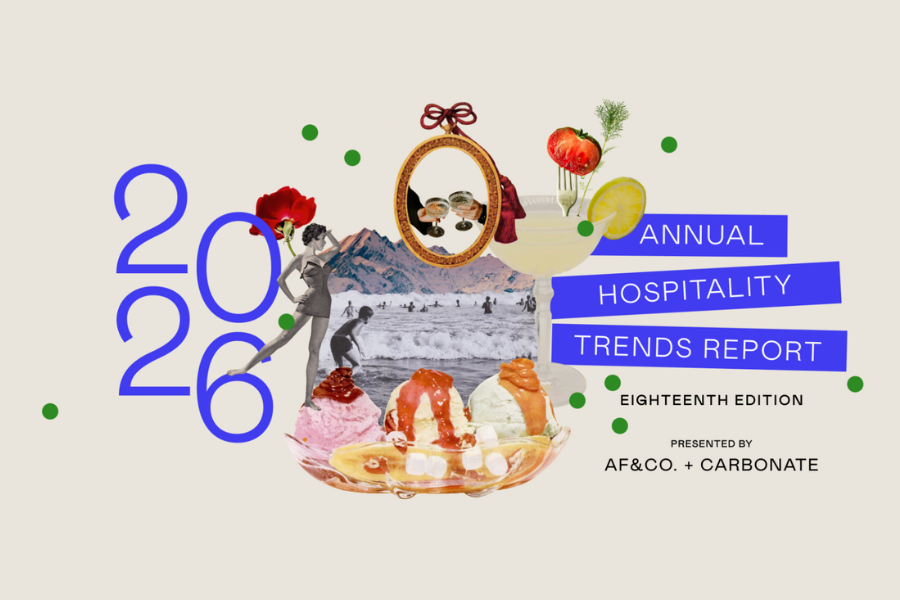
Image courtesy of Carbonate
Hospitality will continue to reflect broader cultural shifts—towards experience, intention, and value. Across dining rooms, bars, bakeries, and hotels, operators are rethinking how global influence, comfort, creativity, and community come together. From evolving menu formats to new event and travel concepts, the report offers a clear view into how hospitality is changing in the year ahead.
Top Trends of 2026
Cuisine of the Year: Next-Gen Indian

Pippal
Image credit: Neetu Laddha
Once limited to a handful of familiar dishes, Indian cuisine in the U.S. has undergone a remarkable transformation. Over the past two decades—during which the Indian-American population has more than doubled—Indian restaurants have multiplied and diversified, expanding the country’s understanding of the cuisine. No longer diluted for American palates, chefs are celebrating the depth of regional Indian cooking. From bustling street food and chai cafés, to refined tasting menus, Indian wine bars, and cocktail concepts, today’s offerings reflect the full vibrancy and sophistication of Indian culture and cuisine.
Dessert of the Year: Cinnamon Rolls

Spirals Cinnamon Roll
Image credit Eli Nathan
Fueled by childhood memories of Cinnabon and sweet sticky-fingered breakfasts, a new wave of bakeries is specializing entirely in over-sized, over-the-top cinnamon rolls in a multitude of flavors and colors, topped with candies and cookies. And they’re popping up on restaurant menus too! Unlike the finesse or precision of laminated pastries, cinnamon rolls are meant to be messy and indulgent—an ode to America’s love affair with icing.
Drink Trend of the Year: Modern Mexican Mixology
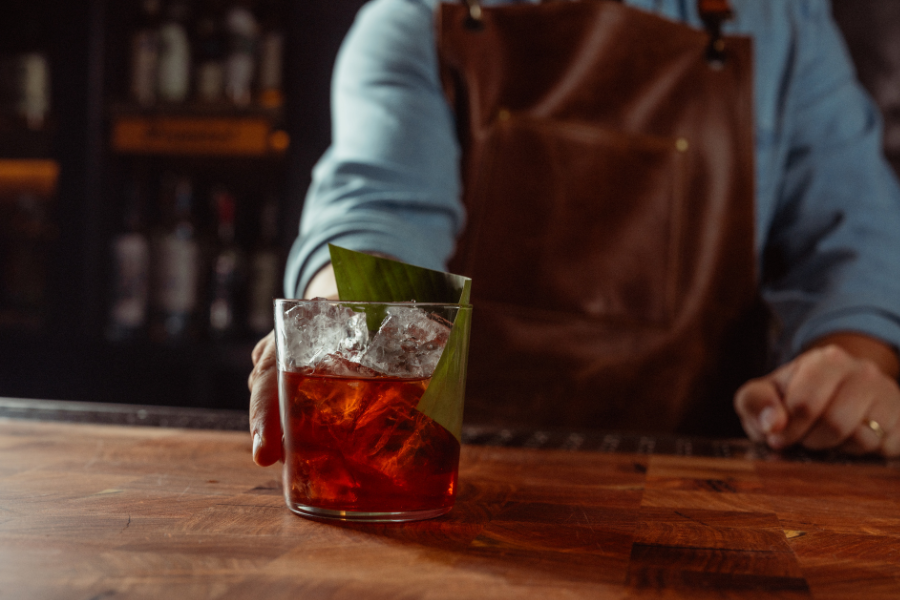
Bar Buena's The Ardilla
Image credit: Brian Kennedy
As post-pandemic tourism surges, and interest in tequila and mezcal continues to grow, a new wave of bars is drawing inspiration from Mexico City—one of the world’s most exciting cocktail capitals. Two of the top three bars in the Americas (per the World’s 50 Best Bars) are in Mexico City, and the third is a Mexican-American concept in New York. These spots blend modern technique with deep cultural roots, using ingredients like agave, cacao, chiles, tropical fruit, and wild herbs to create drinks that tell a story of place—with cocktails that feel both of-the-moment, and unmistakably Mexican.
U.S. Food City of the Year: Minneapolis

Oro by Nixta
Image credit Kadi Kaelin
Over the past few years, Minneapolis has evolved into one of the most dynamic food cities in America. Rather than chasing national trends, these chefs are defining their own lanes—dedicated, distinctive, and often daring—drawing from personal experiences, Indigenous traditions, immigrant heritage, and regional ingredients to craft something entirely new. The city’s culinary landscape reflects authenticity in every sense: a mix of experimentation, cultural storytelling, and pride of place that’s earning national attention.
Food Trends
Chewy is the New Crunchy

Nightbird's Scallop Mochi Taco
Image credit: Adahlia Cole
Chewy textures like mochi, tapioca pearls, and gummies—long beloved across Asian cultures—are taking center stage in the U.S. Gen Z, in particular, prizes layered and evolving textures, finding delight in foods that are “stretchy,” “bouncy,” or that shift as they chew. Fifty-eight percent of Gen Z say they love chewy foods (Collage Group), and U.S. sales of non-chocolate chewy candy grew 5.7% YoY (Circana).
The Enduring Appeal of Fried Chicken

Wild Onion Bistro & Bar Crispy Chicken Sandwich
Image credit: Joseph Weaver
Chicken is a revenue driver! The “fried chicken wars” of 2019 began when Popeyes released its now-famous spicy chicken sandwich, sparking intense competition among fast-food chains. The launch went viral on social media, leading to sold-out stores, long lines, and online rivalries as brands battled for chicken sandwich supremacy. The frontlines may have shifted, but the battle goes on. Restaurants of all concepts and price points are offering their take on fried chicken. It’s a fan favorite that offers value, and a blank canvas for chefs to play with—and has become the default pivot for brands across the spectrum.
Marketing Trends
Food Raves
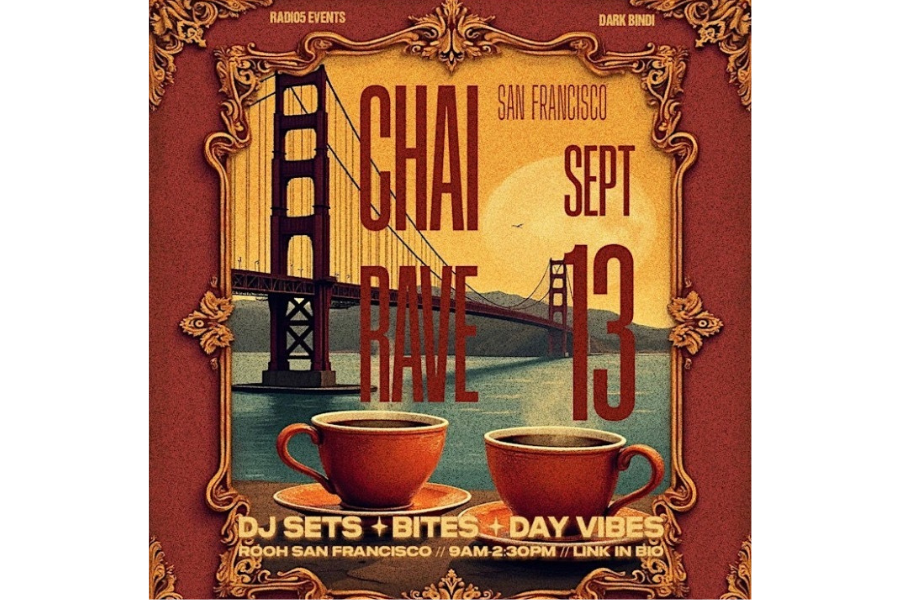
Fitoor's Chai Rave
Earlier this year, in their weekly trends publication, Insight Out, Carbonate reported on the rise of the “food raves”—a new kind of social experience, trading vodka sodas for espresso tonics, where dance floors meet deli counters. What began as niche pop-ups has evolved into a broader cultural movement reshaping how, when, and where people gather. From afternoon sets at bakeries to midnight parties at fast-food chains, Rave Culture 2.0 is pulsing through hospitality in unexpected places.
The Adult Combo Meal
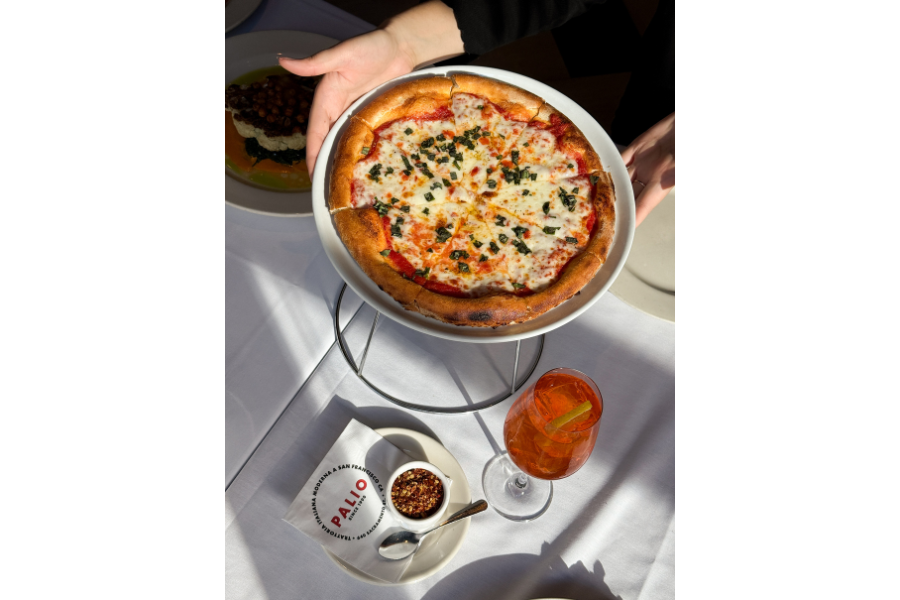
$10 Margherita Pizza and Aperol Spritz at Palio
Image credit: Palio
Value is the new loyalty. Restaurants are giving guests a reason to go out—and a way to save. In a time of inflation and economic uncertainty, operators are leaning into strategic value, offering things people truly love at a great price point. It’s an evolution of the “adult happy meal,” pairing a fan-favorite food with a drink to create something that feels curated, complete, and just indulgent enough. These offers break through the noise, giving people a reason to go out, and to come back again and again.
Menu of the Day is Back

Scoma's Prix-Fixe Lunch
Image credit: Rich Johnson
As more workers return to offices, lunch is making a comeback—and restaurants are seizing the opportunity. Across the country, spots are introducing (or reintroducing) weekday prix-fixe menus and lunch boxes that make dining out feel accessible yet elevated. These midday menus let guests enjoy a quick, high-quality escape at an approachable price, proving any concept can deliver value—it just takes the right format. It’s a win-win: guests get more for their money, and restaurants fill seats during the midday lull.
Travel Trends
Solo Travel
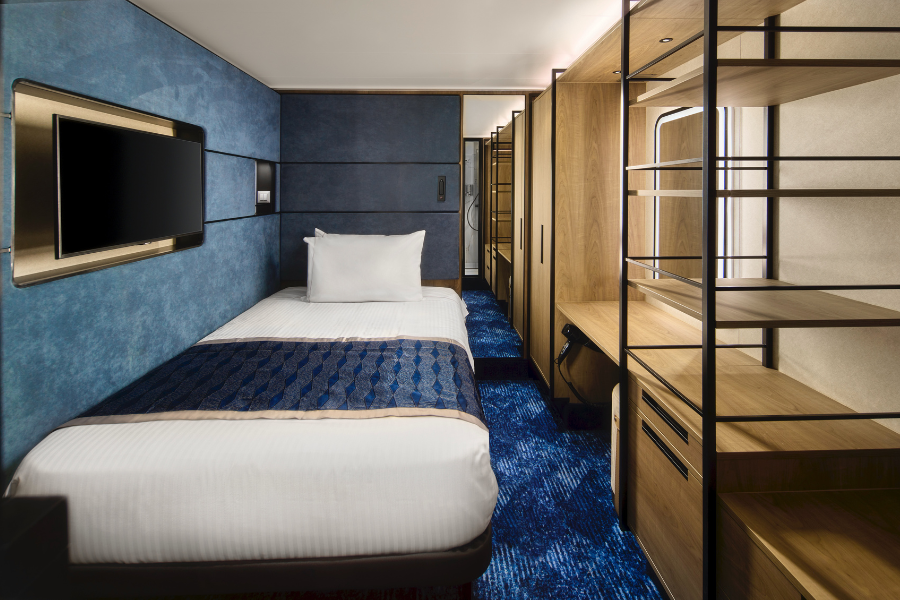
Norwegian Cruise Lines Single Room
Image credit: Norwegian Cruise Lines
Solo travel is surging—projected to surpass $1 trillion by 2033, with a 14.3% CAGR through 2030 (Grand View Research). Online engagement tells the same story: Reddit’s r/solotravel added 500,000 members this year, #solotravel on TikTok is up 66% year-over-year, and nearly half of travelers now tack solo time onto family trips (Hilton). In response, hotels and travel brands are ditching the dreaded “single supplement” and creating offerings that celebrate autonomy, reflection, and freedom.
Mystery Travel

Image credit: Scandinavian Airlines
Airlines and cruise lines are leaning into surprise with “mystery travel,” where the destination isn’t revealed until departure—or even arrival. The format takes the stress out of planning while restoring the joy of discovery, offering travelers an antidote to today’s hyper-scheduled vacations. Last year, a Booking.com study found that 52% of travelers would be interested in reserving a trip where the destination remained a mystery until arrival—a clear signal that curiosity and spontaneity are decision drivers.