The rules of luxury are quietly being rewritten — not through bigger campaigns or bolder claims, but through subtler shifts in what feels trustworthy, meaningful, and worth someone's time. We asked industry insiders to weigh in on what’s actually driving desire right now, and their answers reveal a shift bigger than any single trend. Here's what they had to say.
Victor De Vita, Partner, BPCM
“The luxury brands building the most cultural currency today are not trying to speak to most people at once. They are earning credibility within niche communities whose members are deeply knowledgeable, engaged and passionate; and whose enthusiasm makes the wider world want to belong. That requires storytelling rooted in genuine participation.
“Experience is also becoming one of luxury’s most valuable assets precisely because it is fleeting. A meticulously considered experience (every detail, interaction and point of access) can create a level of emotional connection that a product or campaign alone cannot. But desire is no longer shaped only by what a brand creates. Its leadership, behavior, values and reputation now form part of the luxury proposition itself. Cultural relevance and corporate reputation have become inseparable from brand desirability.”
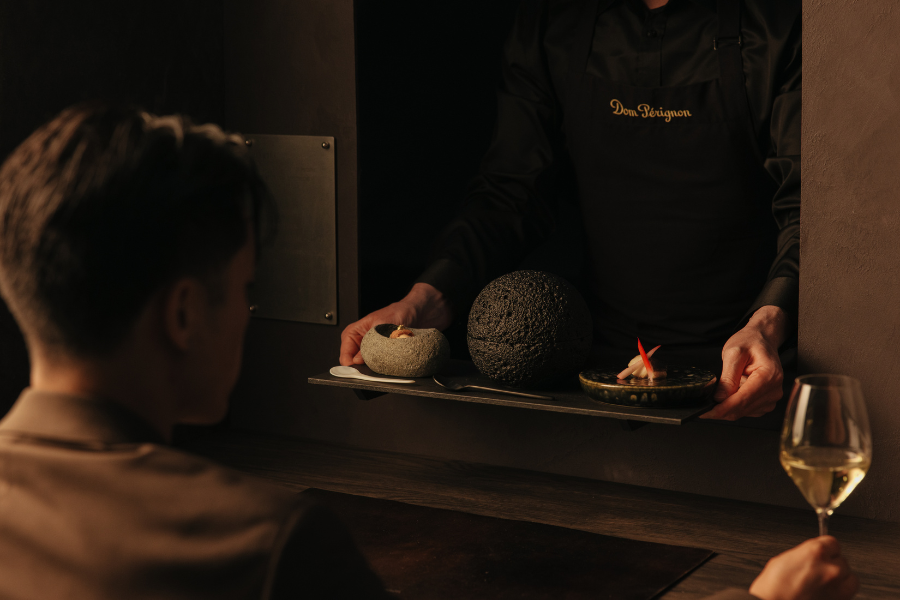
Expressions of Harmony by Dom Pérignon, a BPCM client | Photo Credit: Dom Pérignon
Josh Rosenberg, Co-Founder & CEO, Day One Agency
"When I think of luxury right now I think of craft, there’s such rich storytelling in all of the details. There’s a justified obsession with artistry, with anything made by the human hand. It relates, of course, to our collective desire to get off our phones and into the real world. We respect things that take hard work to achieve, and are willing to pay a premium for them."
Anupa Charles-Pierre, Founder, Pierre Collective
“Consumer expectations have never been higher because the best experiences set the benchmark for every industry. A seamless hotel stay, an intuitive digital experience, or exceptional in-store service doesn’t stay in its own category—it reshapes what customers expect from every luxury brand. The most successful luxury brands are moving beyond storytelling to storyliving. They’re creating moments that customers can participate in, share, and remember—not just campaigns they consume. Experiences have become the new measure of brand equity.
“In an age of AI and automation, human connection has become one of luxury’s most valuable assets. The brands that invest in exceptional service will continue to stand apart because genuine care is becoming increasingly rare.”
Samantha B. Levitin, Founder & CEO, Levitin Collective
"As the founder of a lifestyle PR agency, many of the brands I represent aren't selling traditional luxury products - they're selling access, experiences, and community. One of the clearest shifts I've seen over the past year, particularly through working with The Maze, an alcohol free private members club in New York City, is that consumers are increasingly seeking meaningful connection. Whether it's an intimate dinner, a members club, a wellness gathering, or a curated networking event - people are placing greater value on experiences that foster genuine relationships and a true sense of belonging. What's especially interesting is how niche these communities have become. There truly seems to be a club, event, or gathering for every interest and stage of life - from wellness collectives and beauty communities to parenting groups and industry-specific networks. To me, that's what's redefining luxury. Luxury is no longer just about owning something exclusive - it's about belonging to something meaningful."
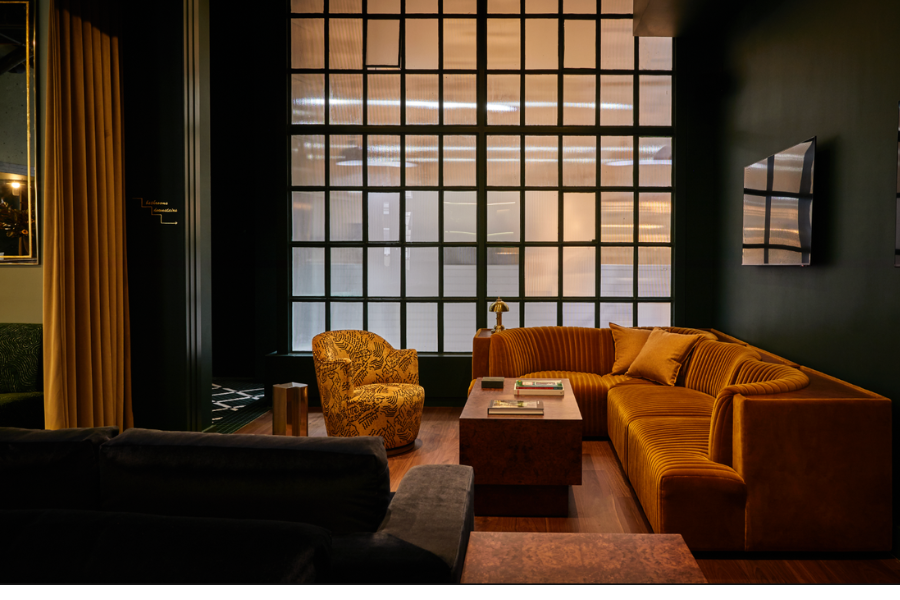
Photo Credit: The Maze
Alison Lewis, Founder & Editor, Healthy Travel Magazine & Founder, Alison Leigh Lewis Public Relations
"One of the biggest shifts I'm seeing in luxury travel—both as a public relations professional and as the founder and editor of Healthy Travel Magazine—is that travelers are increasingly measuring an experience by how it makes them feel rather than simply what it includes. Beautiful design, exceptional service, and world-class amenities remain essential, but they're becoming the expectation rather than the differentiator. The luxury brands connecting most deeply with travelers recognize that today's travelers are seeking experiences that help them return home genuinely restored—whether that's through better sleep, meaningful cultural connections, time in nature, or simply a slower pace. That evolution inspired the recent relaunch of Healthy Travel Magazine, a publication I originally founded in 2012, where we explore luxury travel through the lens of wellbeing. I believe the greatest luxury isn't simply where you go—it's how you feel when you leave."
Heather Falconer-Serhan, Founder, Falconer Agency
"Craftsmanship has become the new currency of luxury. Today, 'luxury' is just a buzzword unless it's backed by genuine skill, craft, and talent. Whether it's a master distiller, a bespoke tailor, or an artisan leather maker, consumers increasingly want to know where a product was made, who made it, and the story behind it. They're seeking a deeper connection with the brands they buy from, and personalization has become a natural extension of that, owning something that feels considered, unique, and made for them. Consumers are investing in substance. The brands that will continue to thrive are those with authentic stories, exceptional craftsmanship, and the confidence to let the product speak for itself.”
Natasha Silva-Jelly, EIC of The New Front Row on Substack, Shop My Creator, & Fashion & Beauty Journalist (Vogue, Harper's Bazaar, Forbes, CNN)
“The biggest shift—or rather return—in luxury is the desire for trust. Discerning consumers are tired of the algorithm and crave real storytelling, from independent voices they trust. Which explains why two of luxury's new forces are Substack and ShopMy. On Substack, the return to long-form and authentic personal essays is fueling its rise. While ShopMy is proof that editors and creators are becoming the new publishers and storefronts. Combine the two, and it's affiliate gold. Discovery and purchase have collapsed into one intimate, editorial moment — and that intimacy is the new luxury. It's like getting to raid a trusted friend's closet rather than battling it out at a department store.”
Gabriele Sappok, Co-Owner, Imagine PR
“Across our clients we are currently seeing luxury travelers gravitate toward two seemingly opposite pulls: deep mental and cognitive wellness, and total disconnection. On one end, properties like The Saxon Spa at Steyn City, Chiva Som Hua Hin, and Mount Med Resort are building programs around vibroacoustic therapy, mental health counseling, and AI-driven cognitive diagnostics — treating the mind with the same rigor once reserved for the body. On the other, travelers are actively seeking out places without WiFi entirely — untouched, remote destinations through operators like Untamed Travelling and Secret Atlas, where the luxury isn't amenities, it's genuine human connection and disconnection from the digital noise of daily life. At the same time, we're seeing a broader shift toward 'earned' and 'rooted' luxury — safari operators like Singita and Natural Selection connecting travelers to local art, culture, and untouched wilderness, while properties like Collezione Em in Italy and Spier Wine Farm in South Africa champion slow living and provenance — knowing where your food, wine, and experiences actually come from. The common thread: today's luxury traveler wants meaning, not just amenities.”
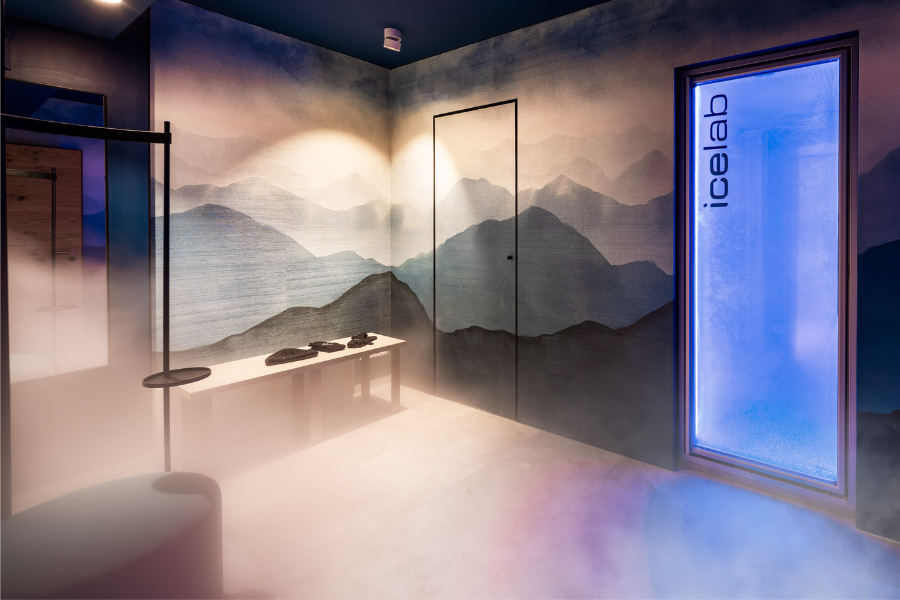
Photo Credit: Mount Med Resort
Tathiana Rosado, Founder, Ciao Studio
“AI is changing everything, and it's pushing luxury in the opposite direction. There's nostalgia for things that feel personal and human again: where they live, where they travel, where they eat. Luxury used to be about access. Now it's about connection
“At the highest end of the real estate market, buyers care more about who their neighbors are than what amenities the building has. Your address is your membership club, a way to be around people who share your interests and sensibilities. We're seeing the same thing happen in retail and office spaces, where the goal isn't just to get people in the door to make a sale or deal; it's to get them to stay, feel at ease, and connect.
“Travel and dining are shifting too. Discerning travelers are skipping the obvious luxury destinations for places that still feel undiscovered, somewhere that offers a genuinely unique experience rather than the same five-star formula everywhere. In restaurants, people care as much about being recognized as a regular as they do about what's on the menu. The brands that win from here won't just have the nicest spaces; they'll be the ones that make people feel like they belong, not just visit.”
Ayanna Wiggins, Luxury Marketing and Global Brand Strategist (Formerly Marriott International)
"One of the most compelling forces shaping luxury right now is a renewed emphasis on kindness. At a luxury conference I attended earlier this year, kindness emerged as a recurring theme, and I was intrigued by its simplicity. In a market often focused on exclusivity, innovation and increasingly sophisticated forms of personalization, there is renewed attention on something more fundamental: how people are made to feel.
"Across luxury experiences, it is often the smallest moments that shape the most lasting impression. In hospitality, for example, those entrusted with representing a brand can elevate even the most ordinary interaction through genuine care, turning a moment of service into something memorable. Viewed through the lens of the Golden Rule, kindness is less a trend and more of a return to the core of exceptional service. The distinction lies in how consistently and authentically brands bring that principle to life."
Dwight Allen O’Neal, Founder & CEO, Christell On Pine Group
"One of the biggest shifts I’m seeing is that luxury has learned to whisper. The strongest brands are moving away from overt status symbols and instead creating thoughtful, emotionally resonant experiences. Luxury today is found in the details. The restraint in the design. The intentionality behind the packaging. The hospitality. The storytelling. Consumers don’t want to be told something is luxurious. They want to feel it. The brands that understand this are creating lasting relationships rather than simply selling premium products."
Natalie Denyse, Founder & Director, In Good Company Public Relations
"The art of building a room: The events industry is projected to reach $2.5 trillion by 2035, according to Allied Market Research, growing at 6.8% annually. This figure reflects a fundamental shift in the economy - not a bounce-back but a completely new era for marketers and brands. A new focus on the art of building a room. More money is being deployed into events across sectors than ever before - but there's a depth of knowledge that is required to make a meaningful impact. Those events are not just well designed in function and form, but they are rooted in discretion, connection, intention, and a defined taste of the person or brand hosting it. They are coupling this with a 'less is more' approach, so these experiences feel less accessible, more special.
"A shift towards meaningful luxury: Merchandise and owning a luxury product may have been a status symbol a year ago - now it's the luxury of experiencing that brand in their everyday lives. What holds more weight is now access - to leisure time and enrichment, places and experiences that cannot be replicated. Restaurant residencies and private supper clubs, intimate concerts and live performances, bespoke travel itineraries, and exclusive brand events are where the next generation is spending time and money. These markers of cultural capital innately carry more richness, depth, and connection to our relational selves - our sense of identity and belonging - more than anything else.
"Storytelling's role in the memory economy: When it comes to travel especially, hotels have to secure their foothold in the minds (and memories) of their top clientele. The hotel's concept is no longer giving that frothy appeal, because anyone can create an exceptional image or the perception of opulence. What matters more is the philosophy and story of that brand, and the interwoven moments of connection they present to a client with a careful touch. It's this level of care, intuition, anticipation, and sense of belonging that matters.
"A more nuanced customer: In our field, wealth may have traditionally stemmed from the male counterparts, but in recent years, women have held more purchasing power - and that number is growing. Brands need to continually refine their message and story to appeal to a wide variety of women - from the self-made founder and young multi-millionaire, to the private family office executive and the new-generation heiress. They all have very different priorities, needs, and expectations for the brands they adopt into their lives. Generational sensitivities are one thing; lifestyle interpretation and context are another. Regardless of where they fall along that spectrum, the brands that understand this shift will recognize they're no longer marketing solely to an individual consumer. They're speaking to women who shape the experiences, decisions, and relationships of an entire community around them.
"The ownership advantage: Brands are beginning to recognize the difference between renting attention and owning relationships - through conversations they steward. While social media remains an important discovery tool, the rise of Substack has sparked a renaissance of email newsletters, private chat groups, and invitation-only communities as far more valuable places to cultivate lasting connections. It's a matter of control, where algorithms don't determine visibility and audiences engage with greater intention. Public influence may still create awareness, but private influence is increasingly shaping luxury decisions."