In a season defined by cultural saturation and heightened competition for attention, music festivals have become a proving ground for brand relevance. We asked experts across talent, events, and marketing what’s actually driving impact today—from narrative-led activations to creator integration and experiences designed to extend beyond the festival grounds.
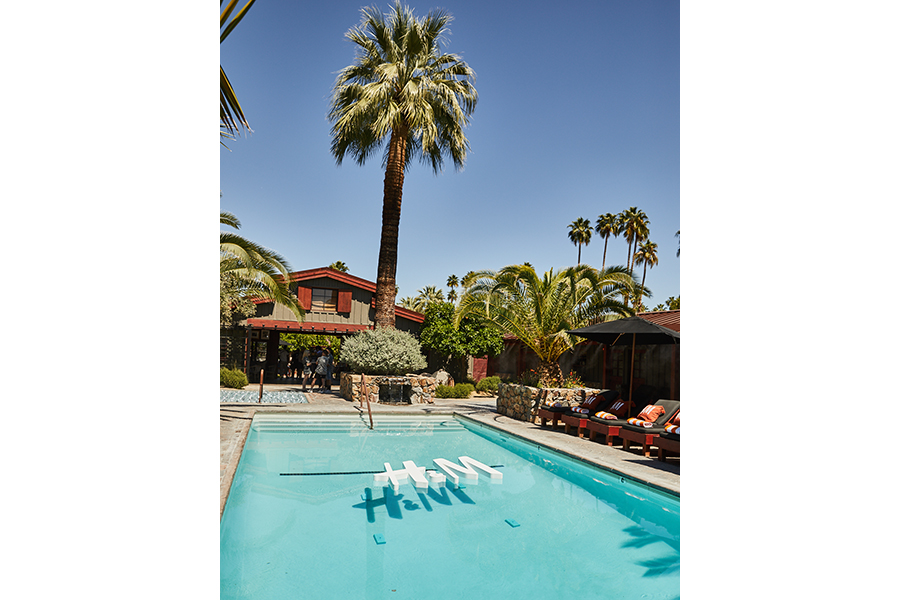
The Digital Dept.
Ali Grant, Partner, The Digital Dept.
"In a buzzy but crowded moment like festival season, a strong brand activation has to have a strong pre-, during, and post-event strategy to have lasting impact. Most brands nail the build-up of excitement before the festival, teasing activations and featured products, and of course they focus the majority of their efforts on the festival experience itself, but the post-event follow-up is just as important for brands that really want to transform the buzzy conversation into new customers and fans.
“Aligning with the right talent and building out a comprehensive campaign that extends the conversation before, during, and after the festival will allow your brand to achieve that lasting impression amongst viewers. This means partnering with creators who are aligned with your brand’s target audience, who match your brand’s voice and style, and can lead with personality-driven content that brings the viewer into the festival experience. A strong festival campaign brief will also highlight how the festival is just one application of the brand and featured products; while festival season provides a great backdrop for branded content, most social media viewers won’t be attending themselves. The campaign can highlight how your brand/product enhances the festival experience, but should also celebrate how it is applicable beyond just the featured festival weekend for maximum return on investment and interest from the everyday consumer."
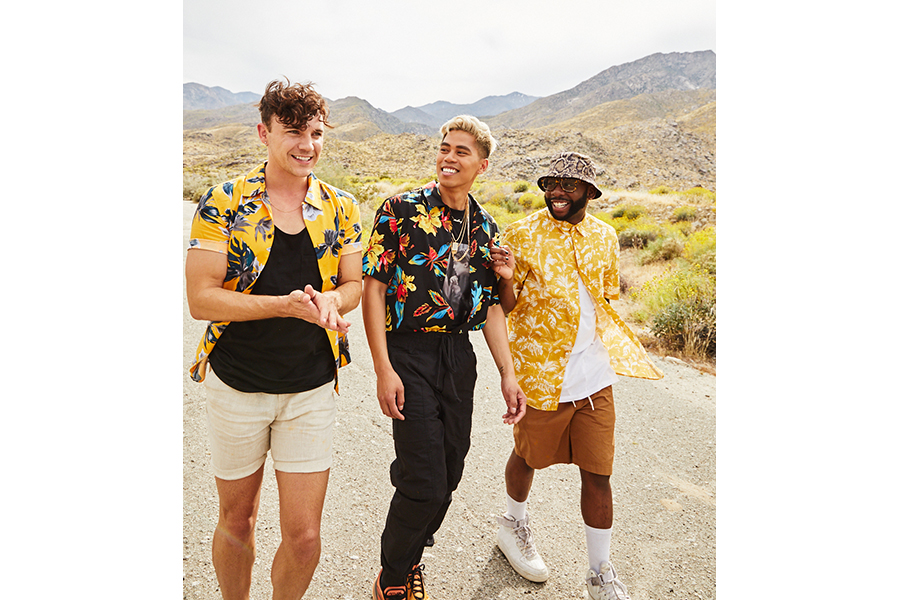
Tamalin Srisook-Polo, Founder & CEO, Savoir Agency
“The brands that win at festivals aren't the ones with the biggest builds. They're the ones with the clearest point of view. Audiences are overstimulated by design. What actually cuts through is narrative—a brand knowing exactly what role it's playing in the cultural moment, and building around that rather than around a production checklist. My approach starts with a simple reframe: stop designing for the brand and start designing for the behavioral context the audience is already in. After producing activations across some of the country's most competitive festival environments, three principles consistently separate the memorable from the missed.
“Lead with narrative, not product. The better question isn't 'how do we show up?,' it's 'who does this audience need us to be right now?' When Lululemon, activated at LA Pride, evolved from a traditional parade into a full-scale music festival, the default wellness narrative didn't fit the room. The environment demanded energy, movement, and active participation. So we reframed entirely: built around celebration, identity, and nostalgia, anchored in a Pride-inspired pep rally. Bleachers. Inclusive cheerleaders. Titles reimagined as ‘King & King.’ The brand didn't disappear — it translated. And that translation made it culturally legible in a space it had never occupied before.”
“Use familiar formats to lower the participation barrier. The most effective activations don't ask audiences to learn something new — they tap into something already known. The pep rally worked because it was immediately readable. Attendees didn't need instructions; they grabbed pom-poms, picked up megaphones, and joined the line. Nostalgia, ritual, and cultural shorthand are all participation mechanics. When the entry point feels instinctive, the crowd stops being an audience and becomes the activation itself.
“Design for reach beyond the footprint. A great activation shouldn't live only where it's installed, it should travel with the people inside it. The walk-a-thon mechanic did exactly that. Tied to a nonprofit partner, it gave the experience both purpose and movement. Attendees signed up, received custom-branded items. The walkathon turned every participant into a moving brand moment without it ever feeling like one. They returned to redeem premium merchandise, closing the loop on engagement. That same logic applies to social. Gamifying the experience, check-ins, shareable moments, challenges tied to the narrative, is one of the easiest ways to extend reach during festival season without adding significant cost.
“The most effective festival activations in 2026 don't require the biggest budget or the most elaborate build. They require a clear narrative, a creative entry point, and the strategic discipline to let the audience do the work. That's what cuts through the noise. Not the expensive booth. Not the expensive premium. The idea.”
Seth Kaplan, Founder & CEO, UnKommon Events
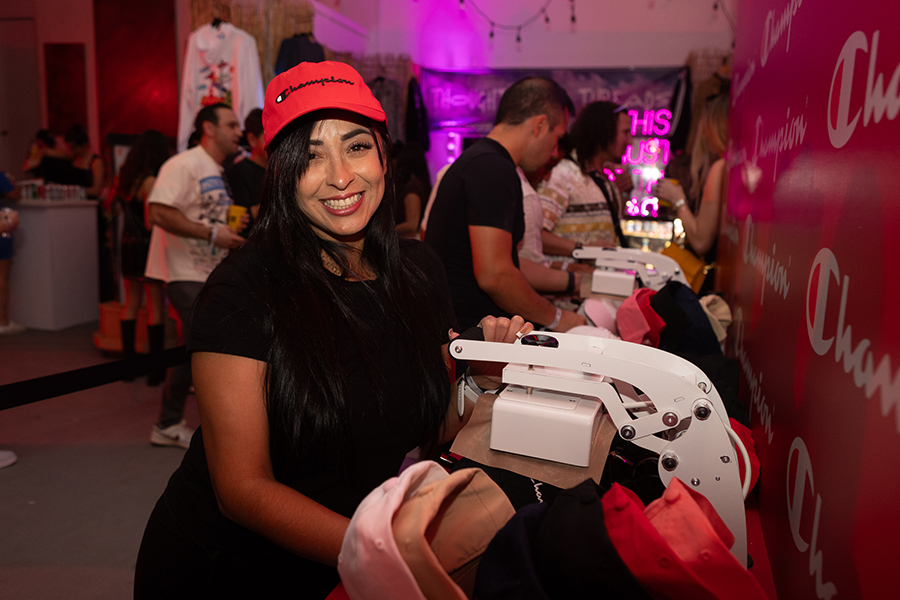
“The brand and the activation needs to make sense with the actual event and the demographic. Then it needs to be something interactive where the brand actually makes the guest stop and engage with the activation. Ideally it’s something special you can only access at the event, like customized ‘Miami’ spraypainted hats that Champion did at our Art Basel event with Hugel. Another is Spiked Ade at our Miami Music Week event with No Art featuring Anotr, offering guests the ability to make their own flavors and a chance to create a flavor that the company would use permanently in their drink line-up.”
Alexandra Garcia, VP of PR, EAG Sports Management
“What separates the noise from what people actually pay attention to is authenticity and access. When talent is integrated into an experience in a way that feels organic, whether that’s behind the scenes, with fans, or just moving through the environment naturally, it creates something people want to be part of. If it feels staged or overly branded, it loses impact fast.”
LACY, Twitch Streamer, Gaming & IRL Creator
“For me it’s all about letting the audience experience it through you. I’m not trying to sell anything, I’m just showing them what’s happening in real time. If it feels natural, it works. If it doesn’t, people can tell instantly.”