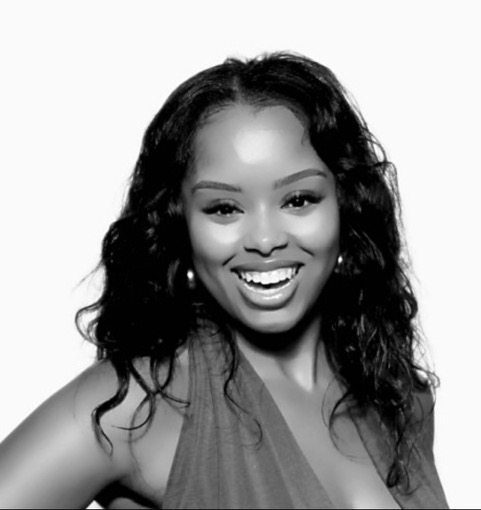
Ashley Hunter Perez has built a career on the idea that the best communications work starts with people, not press hits. Her work sits at the intersection of PR, partnerships, culture, and community—evaluating collaborations on alignment rather than reach, and building experiential moments designed to live well past the day they happen, most visibly in her role as Senior PR and Partnerships Lead at [solidcore]. Here, she shares how she pressure-tests a partnership, why the strongest activations start with a feeling rather than a visual, and what it takes to build a communications career in the fitness and wellness space.
How did you get your start in the marcomms industry, and what drew you to the fitness space?
I got my start in marketing communications by way of journalism. I discovered that I prefer a combination of storytelling, relationship-building, and a genuine interest in how brands can become part of people’s everyday lives, versus reporting. [solidcore] sits at the intersection of culture, media, creativity, and business, and I was drawn to the opportunity to help shape how people experience and talk about the brand. When you find a workout that really resonates with you, it can become part of your lifestyle and your social world. That makes [solidcore] specifically a particularly exciting space for communications because there are so many opportunities to build connections beyond traditional marketing.
What does your role as Senior PR and Partnerships Lead at [solidcore] entail?
My role sits at the intersection of PR, partnerships, culture, and community. At a high level, I’m focused on finding ways to tell the [solidcore] story in a way that feels relevant and compelling, whether that’s through media, creators, brand partnerships, experiential moments, or other cultural touchpoints.
A big part of my job is identifying opportunities that can expand awareness of the brand while still protecting what makes [solidcore] special. That means being thoughtful about who we partner with, what stories we tell, and how those stories show up in the real world. I’m constantly thinking about how we can introduce [solidcore] to new audiences while continuing to deepen the relationship we have with our existing community.
[solidcore] has built a strong community around its unique workout experience and brand identity. How do you bring that community-driven ethos to life through communications and partnerships?
For me, the key is recognizing that the [solidcore] community isn’t simply an audience – they’re just as much a part of the brand as the reformer itself. The strongest communications are rooted in the real experiences and relationships that already exist within our community.
With every brand partnership or collaboration, we’re constantly pressure-testing how it will resonate with our clients and how authentically it can integrate into their experience. We try to involve our community in our activations whenever possible, because their perspective and participation are such an important part of what makes [solidcore] special.
How do you identify and develop creator and brand collaborations that feel authentic and aligned with [solidcore]?
I always start with alignment rather than reach. The first question is whether there’s a genuine connection between the person or brand and what [solidcore] represents. Do they understand our community? Do they have credibility with the audience we’re trying to reach? And, importantly, does the partnership give people a reason to care?
From there, I look for a natural intersection between both brands or audiences. The best collaborations don’t feel like two logos placed next to each other. The best collabs are rooted in an authentic connection and feel like something that could only have happened because those two partners came together.
Experiential plays a powerful role in shaping how consumers perceive a brand. What goes into creating activations that build cultural relevance and strengthen brand connection?
The strongest activations start with a clear understanding of what you want people to feel, not just what you want them to see. The experience should reinforce something meaningful about the brand while giving people a reason to engage with it in a way that feels memorable.
Bringing the reformers to the iconic One World Trade Center for our [solidcore] State of Mind event is one of my favorite activations to date. It started with the desire to capture a sense of summer and make that feeling distinctly relevant to the brand. We leaned into what it means to have a [solidcore] state of mind: grit, authenticity, pushing past limits, and showing up as your full self. That made New York City, and One World Observatory, the perfect backdrop for the event.
I also think the best experiential work has a life beyond the event itself. A great activation creates moments people want to talk about, share, photograph, and bring into their own conversations. That’s where experiential can become a true communications engine rather than simply a one-day marketing moment.
Fitness has evolved into a broader lifestyle category, with brands competing for consumers’ attention both inside and outside the studio. How do you position [solidcore] to stand out in a crowded market?
I think [solidcore] stands out because it has a very distinct point of view. The workout itself is differentiated, but just as important is the culture and identity that have developed around it.
In an increasingly crowded fitness landscape, it’s not enough to simply have a great workout. Brands need to understand what they represent and why someone would want to make them part of their lifestyle. For [solidcore], that means leaning into the intensity and specificity of the workout while also highlighting the community, confidence, energy, and sense of accomplishment that come with the experience.
From a communications perspective, we want [solidcore] to exist in the broader cultural conversation, not just in the fitness conversation. That creates opportunities to intersect with fashion, beauty, entertainment, music, wellness, and other areas of culture in ways that feel organic to our audience.
What advice would you offer to communications professionals looking to build a career in the fitness and wellness industry?
I’d encourage people to become genuinely curious about the consumer and the culture surrounding the category. Fitness and wellness move quickly, and the strongest communicators understand not only what a brand is saying, but what people are actually talking about, experiencing, and caring about.
I’d also say to develop strong relationship-building skills. So much of communications comes down to trust with media, creators, partners, internal teams, and communities. Those relationships compound over time.
And finally, don’t be afraid to think beyond traditional PR. The most exciting opportunities in fitness and wellness often happen at the intersection of communications, partnerships, community, experiential, and culture. Being able to see those connections and turn them into compelling ideas is a huge advantage.